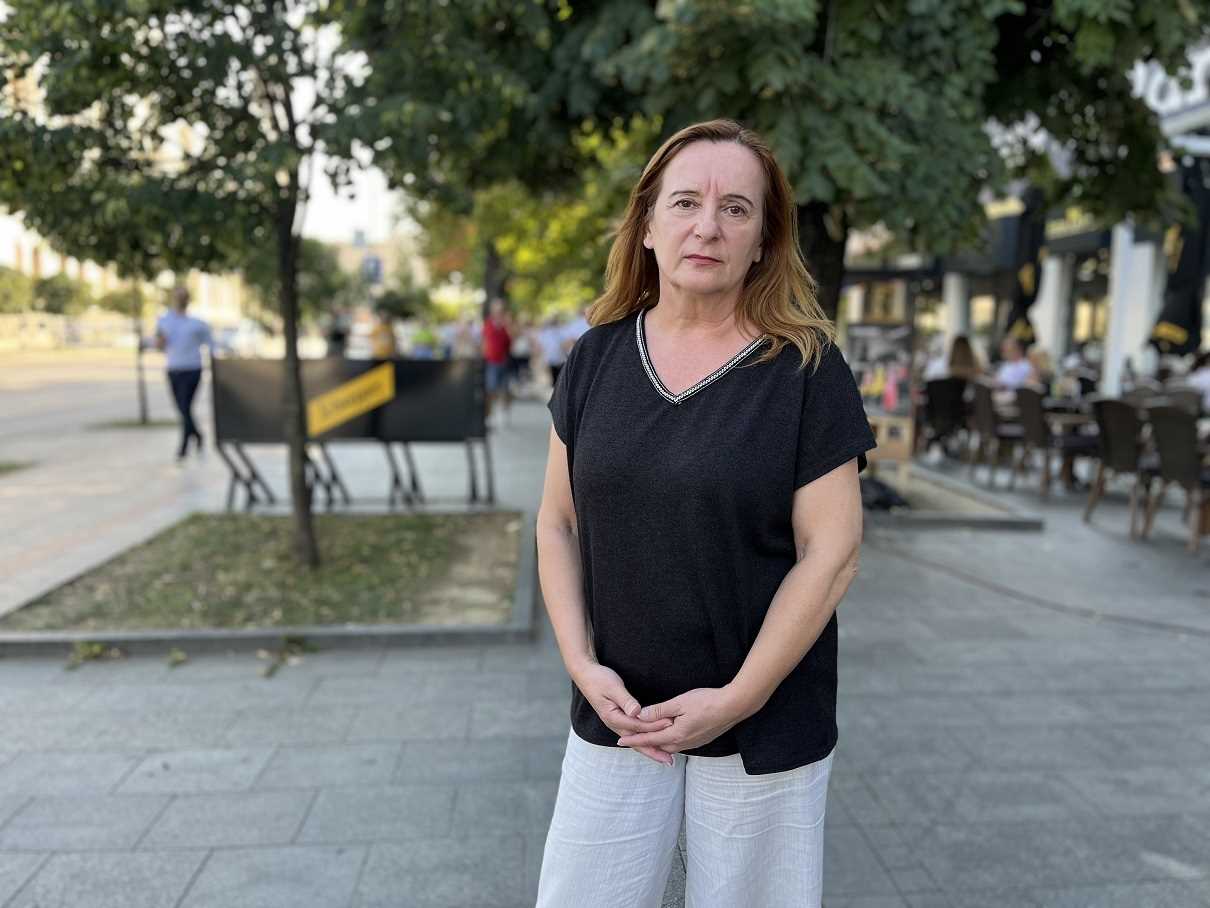
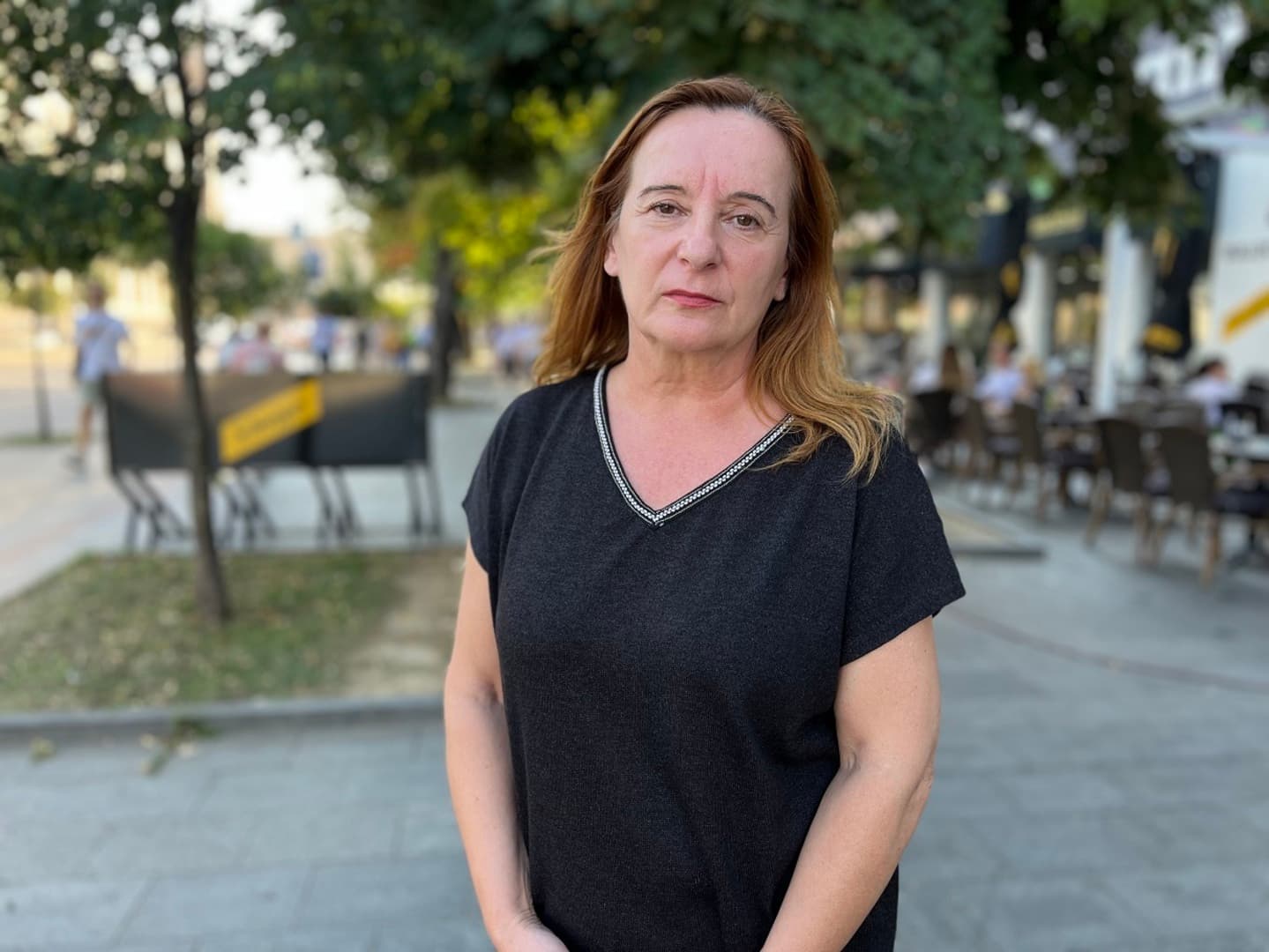
Tanja Topić, a
political analyst from Banjaluka, has been under attack by the local
authorities and their sympathizers for years. Insults, labeling, and
being branded as a traitor and a foreign agent are
the result of her uncompromising work and criticism of Milorad Dodik's regime,
whom she also sued for calling her a German agent. She lost in the first-instance proceedings. Topić talks to
Politicki.ba about the state of media and civil liberties.
"There is less
and less freedom of speech. At the same time, I must emphasize that a part of the citizens voluntarily renounced this
freedom and transferred this right to the political authorities, so that they
do not have to bother with this complex mental action. A part of the
citizens expect that someone else will choose that freedom
for them, while they get to attack them using false profiles, hidden in the chair of anonymity, and
support the spinning of these same politicians, who will
discipline citizens and coerce them, in the
name of the European values they swear by, all according to the law, into silence. "Obviously, the maxim that silence is
golden suits the citizens the most," says Topić at the beginning of the
conversation.
She believes the
local society neither understands nor wants to understand the importance of
freedom of speech. The level of awareness, social
maturity, and responsibility remains in the shackles of authoritarianism.
It
means that we support such commanding speech, slamming one's fist on the table and that speaking in this society is basically equivalent
to bad-mouthing.
This freedom, Topić
adds, is reduced to those who are brave on social networks, well hidden in
anonymity, just a few individuals, representatives of civil
society and free media who are already discredited from the start, they are not
free-thinking people, they are in the interpretations of mainly political authorities and their supporters who are paid to think like them.
"There is
freedom to the extent the supreme political authorities
allow, and the way that others who claim their freedom
of speech deal with it individually. If they insist on freedom of speech, their
access to public resources and information of public importance will be
limited," says our interlocutor.
This freedom will be further limited by the Law on the Criminalization of Defamation, which will apply to journalists and criminals alike: thieves, and murderers...will be brought on the same level as journalists.
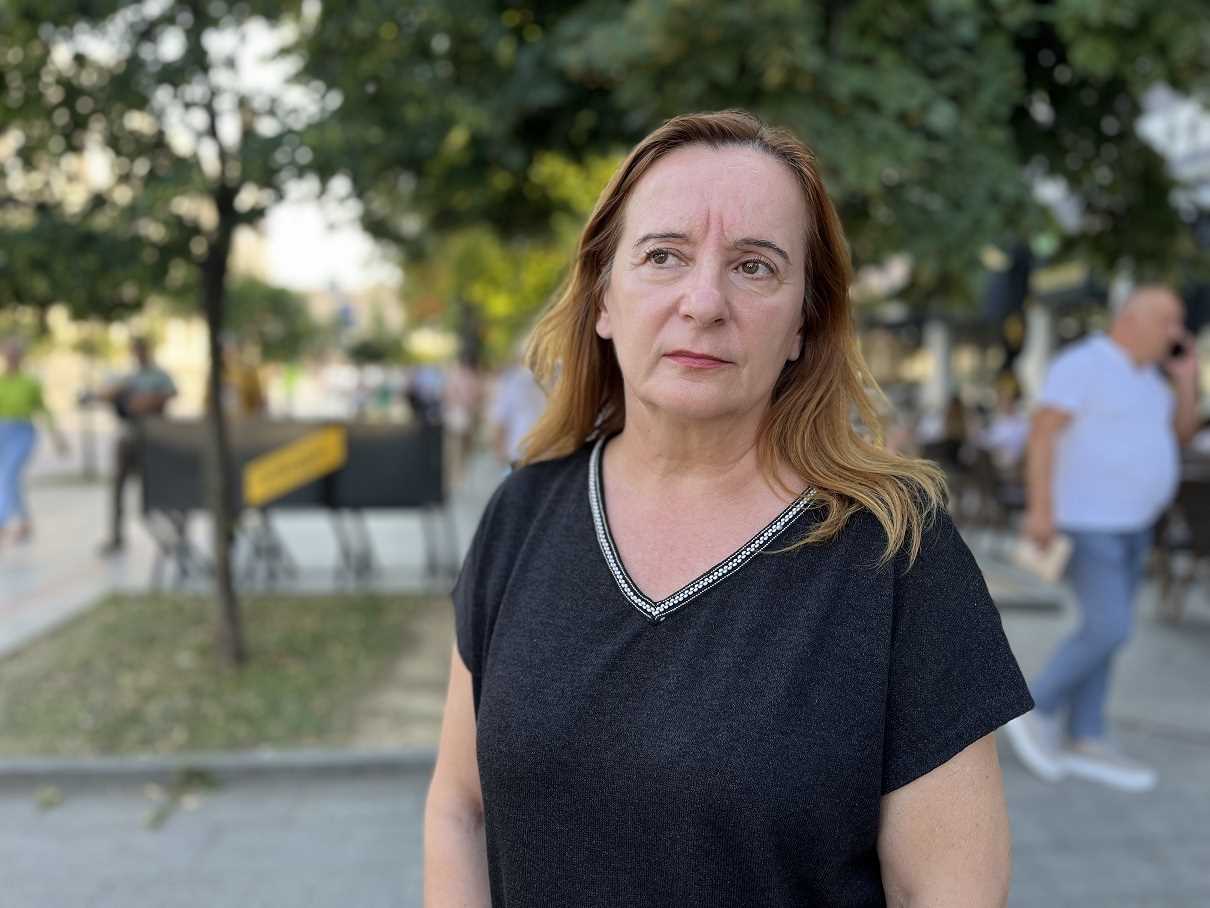
"The Law on the Criminalization
of Defamation will limit freedom of speech, not
only in the Republika Srpska but in the whole of Bosnia and Herzegovina. We
have already seen the tendency and behavior of certain politicians is such that
they consider themselves the authority that will determine the postulates of the
journalistic profession. "We have not heard a single politician that participates in the government at the state level say a single word
against this freak law, and we have even seen attempts in certain cantons to restrict freedom of speech and
the media in the same way," says Topić.
A red light was
automatically turned on for all citizens of Bosnia and Herzegovina, and now people fear that because of spoken words, they could find themselves on the receiving end
of criminal proceedings.
"You must feel sad when you see that freedom of speech
and defamation are put on the same level as other criminal acts: felony, rape. At the same time, we constantly hear phrases
like, the one who writes and speaks the truth, does not have to be afraid of
this law. That is one of the biggest stupidities in their explanations."
She thinks that many
citizens are completely unaware of the danger lurking behind this law.
"We know who is
allowed to slander, lie, insult, and to whom the very thought of criticism will
be considered a criminal offense. The journalists
themselves, who were initially against the recriminalization of defamation,
were put in an unequal position, and it
was spun that they supported defamation, that
they were invited to „separate
the wheat from the chaff in their ranks“.
This is not the job
of journalists, and they do not escape responsibility for defamation, the law
on defamation exists in the civil-legal procedure in the Republika Srpska, but the goal is simply to eliminate
those who are disobedient", warns Topić.
When asked why the
government is bothered by free-thinking people, she answers that the government
is not democratic, does not understand, and does not live democratic values.
Nor does the government want that.
"To them, it is
the most ordinary nonsense imported from the West, which they cannot classify
as traditional values. The government believes that it should think for its own
citizens, and everyone else should serve to legitimize the established system
and way of thinking. The one who is not
with us is automatically an enemy of society, and we know what is done to enemies. "Every democratic government accepts
the criticism of free-thinking people with open arms because they are an
important corrective to its actions and decisions," adds Topić.