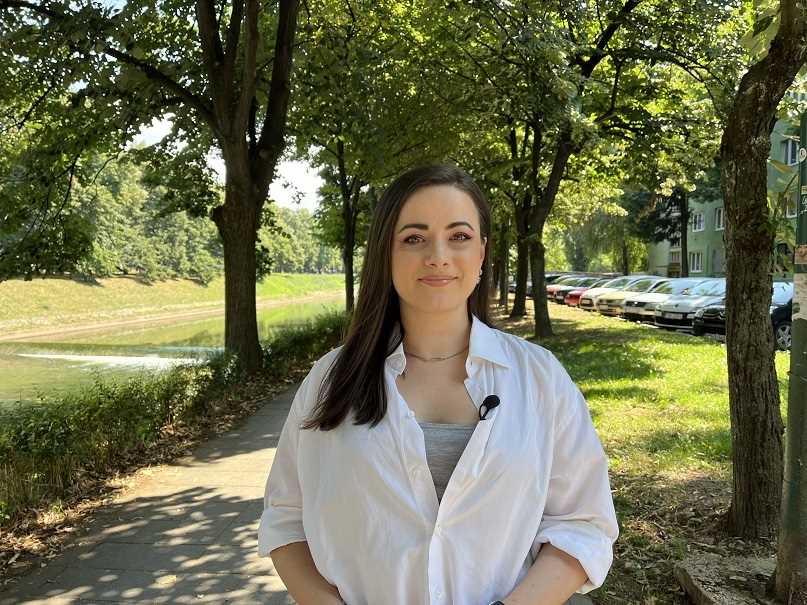
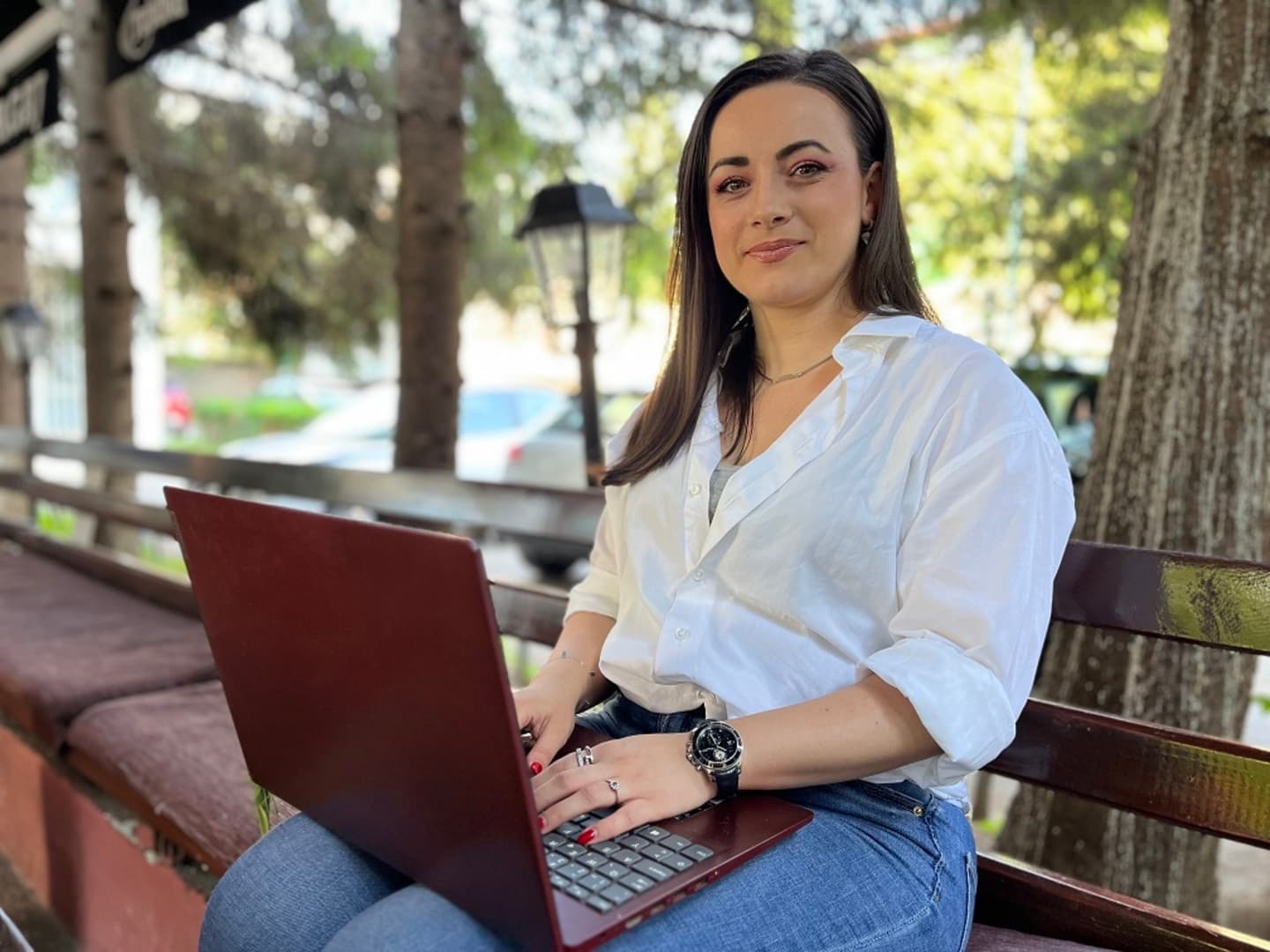
Brankica
Smiljanić is a long-time journalist who worked in several newsrooms in Bosnia
and Herzegovina, but in recent months she decided to return to her former
status and become a freelance journalist again. Although this means more
freedom, being a freelance journalist in BiH is not easy, and even though they
pay taxes from the state on the contracts they sign, they do not get anything
in return. Brankica also started the Facebook group "Freelance
journalists", which has more than 1,200 members.
In an interview
for Politicki.ba, Brankica talks about what it's like to be a freelance
journalist in Bosnia and Herzegovina, and what are the biggest challenges and
problems.
What is it like to be a freelancer in
Bosnia and Herzegovina, and what does it actually mean to be a freelancer in
Bosnia and Herzegovina?
- I think that a lot of people don't even know what the word freelancer represents, at least in BiH, because they identify it with freelancers abroad or in the region. In our country it is different, because in our country a freelancer is even someone who has a work contract for a month or several months. These are actually journalists from newsrooms where media directors extend their copyright contracts from month to month, and I call them hybrid freelancers. In fact, there are very few who are real freelancers in the true sense of that word: that they are not in the newsroom every day, that they do not work like any other employed worker, but work from their home, coffee shop or any other place where they can work. And of course, to cooperate with other journalists from the region, Europe and the world. There are very few journalists like them, most are hybrid freelancers.
A freelancer is actually an unaffiliated
journalist. How free are they really and how much is this freedom limited by
those who order the work or donors?
- Those who
want to be free are free journalists and that is why they want to do freelance
journalism, to be free outside the newsroom and outside regime journalism.
However, freelancers have already started to write to order, we can see that on
portaloids, on new portals, on journalists who are hired to do all kinds of
stories, and their freedom can also be affected when the person ordering the
work says - I don't like that interlocutor, take another. The good thing is
that a journalist can always say - I don't want to do that, to get out of that
and to work at their own discretion. There are no sanctions in terms of
contracts, dismissals and the like, unless if they signed a contract to do a
one-time job, but even then they have to be careful what they sign.
What is the position of freelancers in
BiH?
- Very bad. A
few years ago, I was at the conference of the European Federation of
Journalists (EFJ) in Paris and our country was one of the worst in terms of the
position of freelancers in Europe and all other countries were in a better
position. Their freelancers had collective contracts, they were paid better. We
don't have anything in our country, we don't have any rights, we fight any way
we can, we look for jobs any way we can. Actually, freelancers do not have any
rights and that is the worst thing that is happening in our country. When I was
at that meeting, I felt like the worst student among the best students, in the
sense that I am a two, everyone else is a five. What a disaster. Before that
meeting, I decided to open a group "Freelance journalists" on
Facebook and I realized that there are a lot of journalists who want to be in
that group. More than 1,200 journalists are in that group from Bosnia and
Herzegovina, Montenegro, Croatia, Serbia, and other countries. People from
other European cities join the group as well, and even the directors of some
organizations follow the group.
How important is that group?