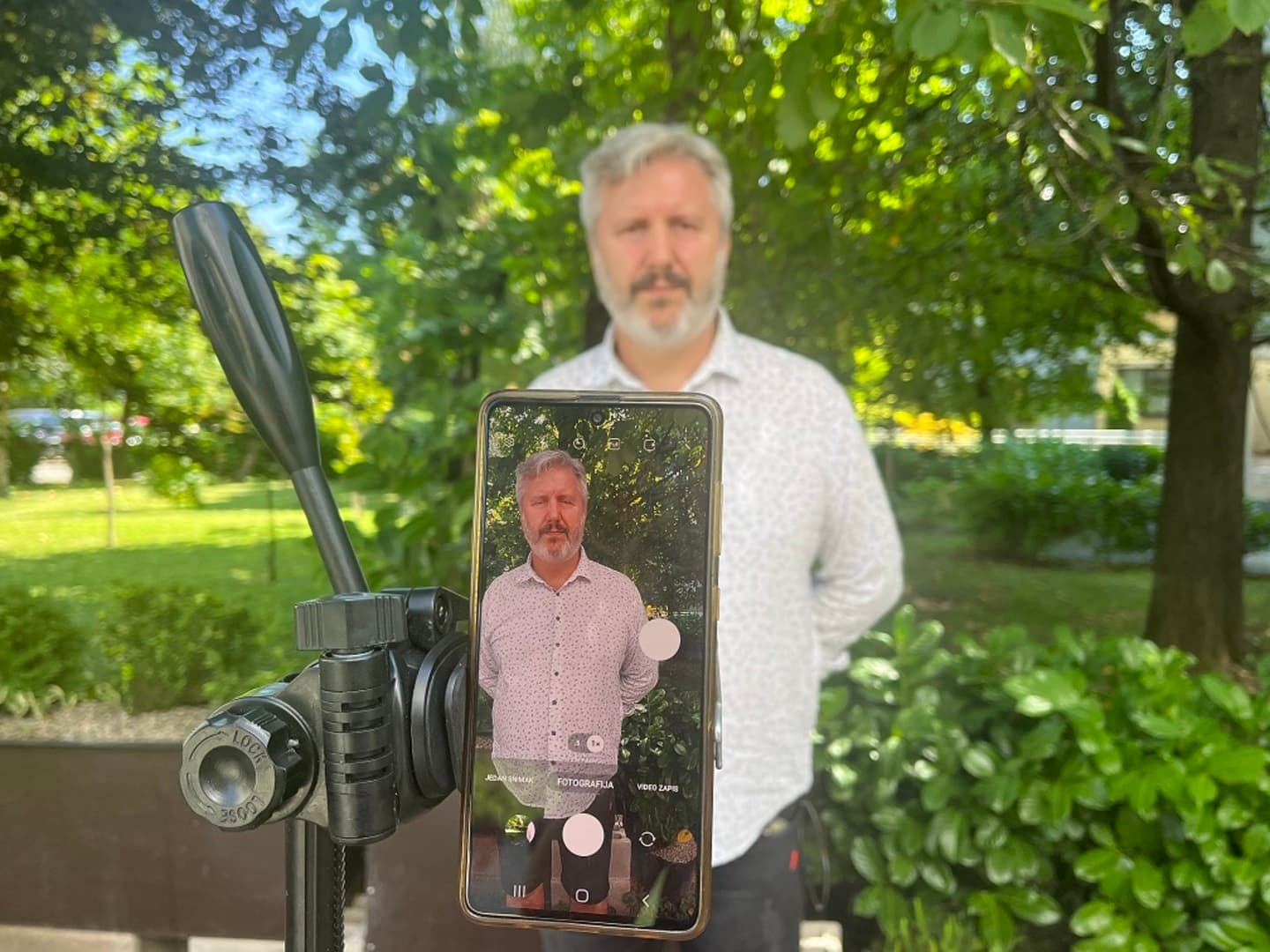
Economically and socially, journalists are definitely an endangered species in our society.
Željko Raljić is the responsible editor of the Banja Luka
portal Istinito. He is a long-time television journalist and presenter, an
associate of several media outlets in Bosnia and Herzegovina, and head of the
RTV BN correspondent in Banja Luka. Through many years of work, he faced
numerous pressures and attacks from the authorities, was detained, followed,
eavesdropped, and sued. However, he did not give up critical journalism.
He tells Politicki.ba that it is a vast field upon which
local politicians have been waging a silent war against the media and
journalists for years, even decades. From ignoring and latent pressures, to
open pressures and threats.
"A special story is the misuse of the Law on protection
against defamation by public office holders who have been litigating against
journalists and the media for years. Therefore, one of the key problems is the
legal framework that prevents journalists from performing their professional
tasks without hindrance on almost a daily basis. First and foremost, I am
referring to the Criminal Code, which limits the possibility of recording and
taking photographs, and now to the latest addition, the introduction of
criminal liability for defamation", says Raljić at the beginning of the
interview for Politicki.ba.
He adds that a particular problem is that the Law on Freedom
of Access to Information does not foresee any sanctions for those who avoid
providing information to the public.
"At the same time, the status of journalists in society
is worse now than it was during communism, when you went to the Committee for
an "opinion". Economically and socially, journalists are definitely
an endangered species in our society", assesses Raljić.
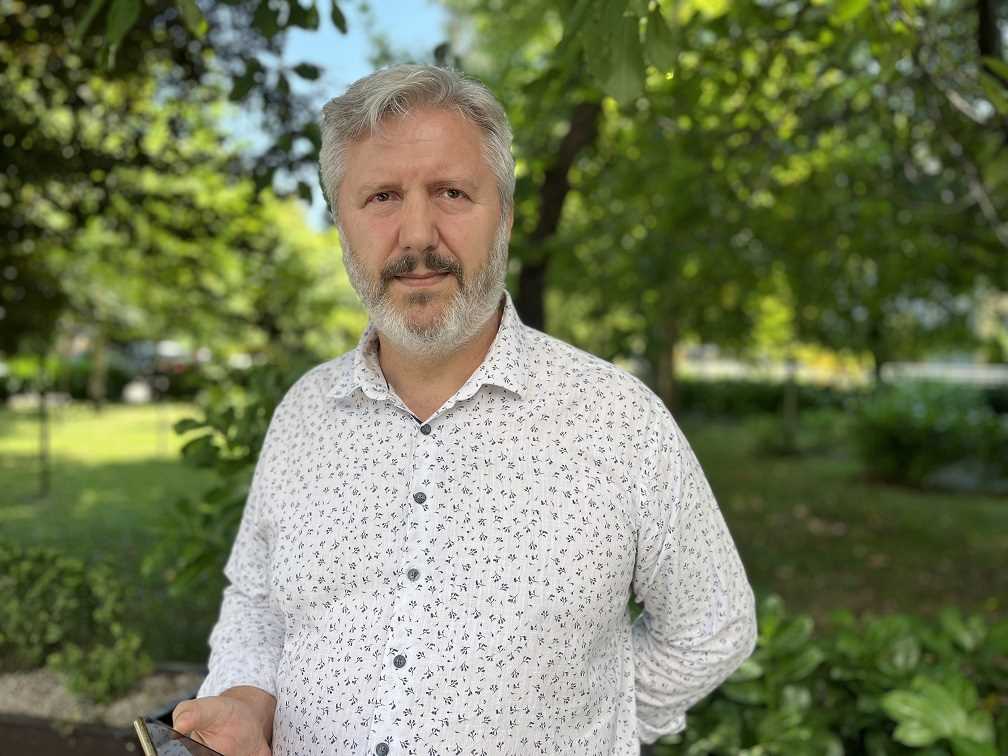
On his own skin, he felt the anger of the government when
journalists rightfully criticized it and questioned the effects and legality of
its work.
"There are numerous situations in which the authorities
have taken various measures against me, many of which are criminal offenses for
which no one is and will not be held accountable. I was detained and
interrogated by the police because I published the news that students plastered
the city with posters of members of the so-called "clan from Laktaši”, I
was called a British spy, followed and filmed, sued and prosecuted for
defamation multiple times, and so on. Many withdrew defamation lawsuits, and
some, regardless of their high positions, lost in court," recalls Raljić.
When asked why the authorities in Republika Srpska are so
bothered by free media and independent journalists, Raljić gives a concrete and
clear answer.
"Suppressing every critical thought, and especially the
written and spoken word in public discourse, is a characteristic of all
totalitarian regimes. It's been like that since the first government and state
came to exist. Since the criminal milieu in our country has moved into state
structures, it is clear that they have numerous resources at their disposal and
are not afraid to use them. Free media and journalists are a problem because
they open citizens' eyes and show the government's true colors. Despite the
opposition, our government does not want any competition or criticism."
The president of the Republika Srpska entity very openly
draws targets on the foreheads of journalists and certain media. How absurd is
it that he even manages to find the time to deal with the selection of
"enemy" media?
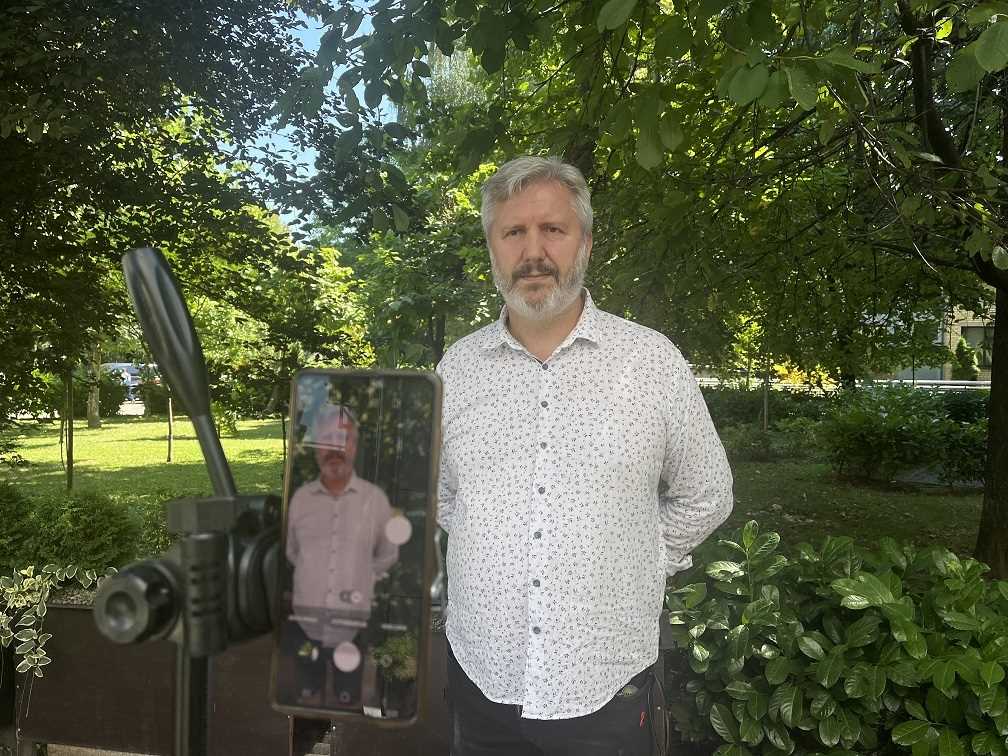
"Well, that is part of the agenda implemented by
Milorad Dodik in order to maintain control... If the situation in society is
not good, if inflation is rising, if people are leaving, then give them an
enemy against whom you will wage some imaginary fight to gather and unite
like-minded people. An old communist practice, this time for the sake of
preserving power, but also for the benefit of a foreign factor," says
Raljić.
To the question "Who and whether anyone protects
journalists in Bosnia and Herzegovina", he answers that journalists are
protected by truth, knowledge, and courage.
He believes that the position of journalists in BiH is
unenviable and that the challenges they face are multifaceted.
Chec his video statement HERE.
"We are more tired of the depressive state present in
society, general dissatisfaction, and hopelessness that forces people to leave,
than of the pressures we are almost entirely used to by now. There is not too
much difference compared to the environment, except that the authorities in
Republika Srpska have established stronger control over most of the media. But
there is still freedom and it will continue to exist. It is difficult to close
the mouth of a journalist who has something to say, knows how to do that, and
is not afraid to do so. All the authorities of this world know that even a dead
journalist's mouth speaks very eloquently. That's why journalists are pressured
by threats and even physically threatened, but they rarely lose their lives, unless
they get into dangerous situations for the sake of profit, and do not comply
with the agreements", concludes Raljić.

The article was realized as part of the Transition program of the Government of the Czech Republic and with the financial assistance of the Embassy of the Czech Republic in Bosnia and Herzegovina @CzechiainBiH. The content reflects the views of the interlocutors who are the choice of the editorial staff of Politicki.ba and do not necessarily reflect the views of the Czech government.