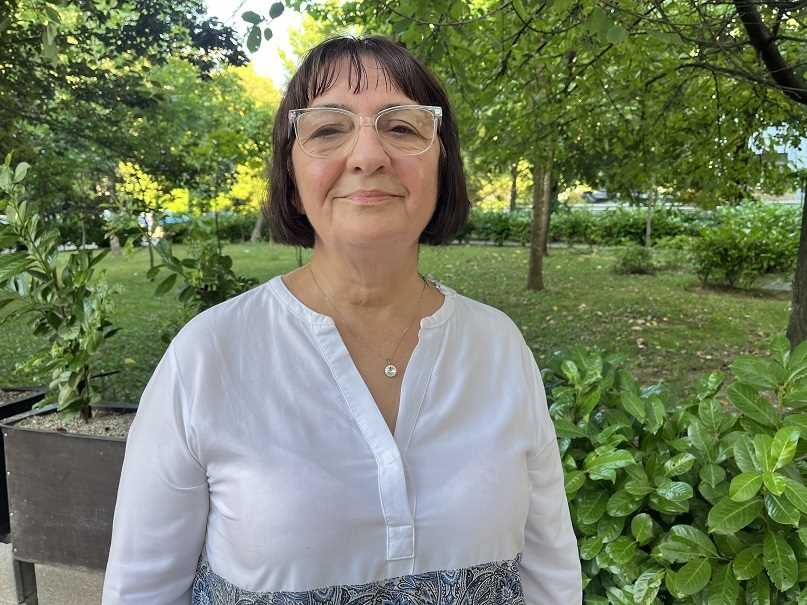
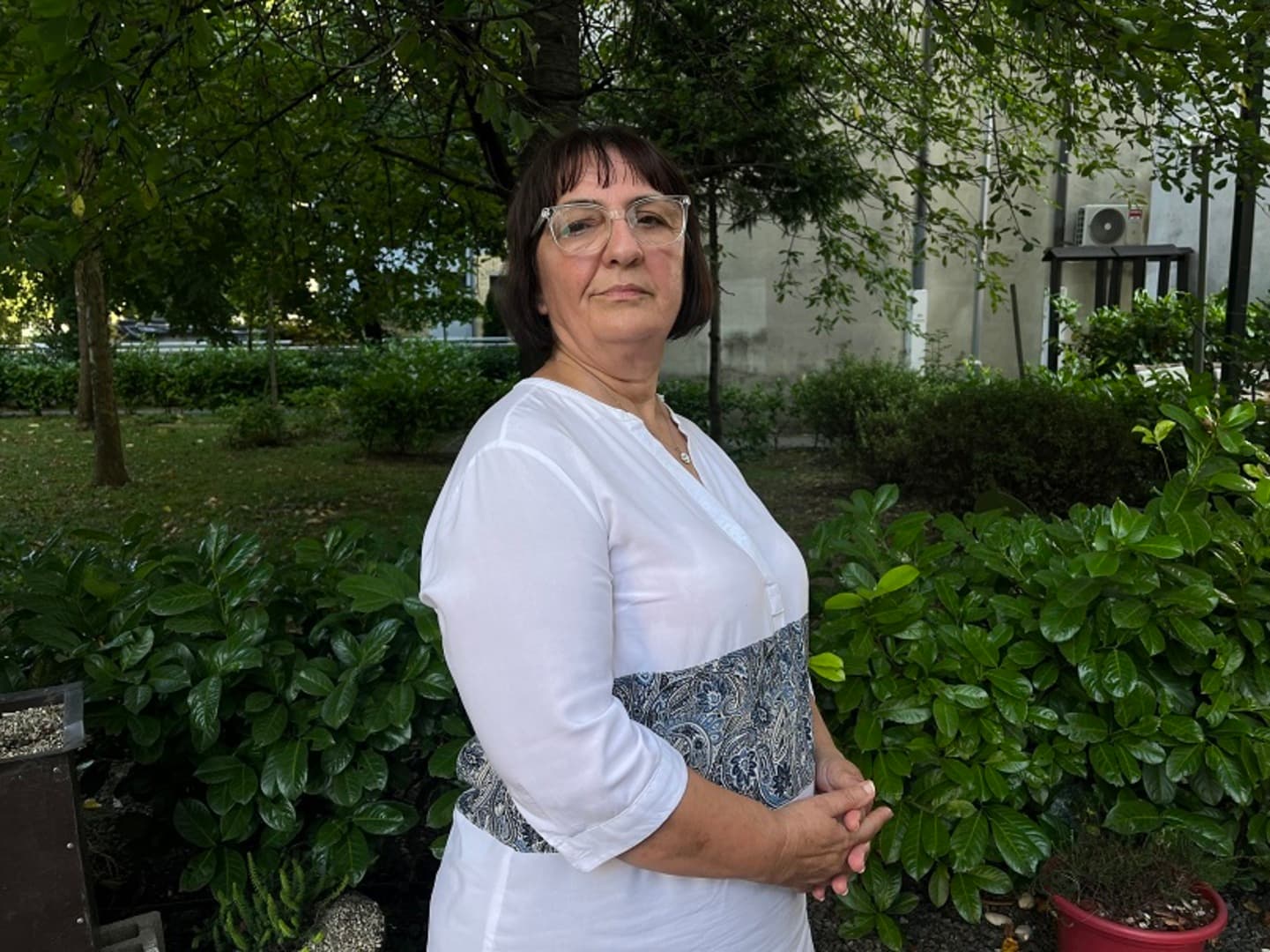
Milkica Milojević, journalist and activist from Banjaluka,
political scientist by profession, has been in journalism for 35 years, of
which at least 33 have been spent actively working on-site. She graduated from
FPN in Belgrade in 1987. She is a declared feminist. She is also the co-author
of "Handbook for responsible reporting on marginalized social
groups". From 2009 to 2016, she was the president of the "BH
Journalists" Association. She is the winner of the Srđan Aleksić
journalistic award and the BiH Parliament and OSCE awards for contribution to gender
equality in Bosnia and Herzegovina. In an interview for Politički.ba, she talks
about journalistic freedoms, government pressures and other topics.
At the
beginning of the conversation, Milojević draws a parallel between journalism
today and journalism from the end of the 80s, when she started working in this
profession.
"From
the time I started working as a journalist, things have changed radically about
the world we live in, as well as our environment and our profession. I've been in
this business for 35 years. When I started doing journalism professionally in
socialist Yugoslavia, in the one-party system, The Berlin Wall was still there,
and the USSR...” Milojević begins her interview with Politički.ba.
Circumstances
and working conditions were different.
"We
typed articles out on mechanical typewriters, smoking was done in the newsrooms,
and by God alcohol was also drunk there too. There was no Internet; anyone who
wanted to seriously work in journalism had piles of paper personal archives
under their desks, dug through old newspapers in libraries, official gazettes
and documents in public archives. There was no Google search! So it was a
completely different world," Milojević continues.
In that
period, she adds, at the end of the eighties of the last century, there was a
"golden age" of journalism in Yugoslavia: "one system was dying;
the other was not yet established, and there was plenty of freedom for those
who knew how to take it for themselves. It is true that there was Article 133
of the Criminal Law, the famous "verbal delict", but it was rarely
applied and was already the object of resistance, even ridicule."
Decades have
passed since then, but being a journalist in today's circumstances is not
easier; on the contrary.
"Today,
it is much more difficult to work in journalism, not only because of pressure
from those who lead the country and hold all the power, but also because of
pressure from employers to produce as many texts, stories, and media content as
possible, with as few "costs" as possible, in every sense.
"Almost four decades ago, journalism was more serious, and everyone took
journalists more seriously and appreciated them more," says Milojević.
When asked
how such an atmosphere and pressures affect the mental health of journalists,
Milojević replied that it is a question for professionals of a different kind:
psychologists, social psychologists and psychiatrists.
"What I
can notice as a layman is that all of us, not only journalists, are quite
helpless. From climate change to other world events and domestic political and
economic circumstances, nothing offers us hope that tomorrow will be better.
Journalists are in an even worse situation than so-called "ordinary
people", because we have access to more information that does not bode
well. In particular, the atmosphere in the Republika Srpska is even gloomier,
because we are slipping into a dictatorship. Violence, especially systemic
violence, is ubiquitous and it is becoming increasingly difficult to fight
against criminals", Milojević opined.
The biggest threat to free journalism in Banja Luka, in the Republika Srpska, in the opinion of our interlocutor, is the government led by SNSD and Milorad Dodik, including the tycoons associated with them.
"Tomorrow
it may be another party and its leader and their tycoons. Unfortunately, I do
not believe that the eventual change of government in the Republika Srpska will
change the model of governance, which is based on brute force and injustice.
For something like that, much more radical changes are needed, and for now I
don't see the bearers of such changes."