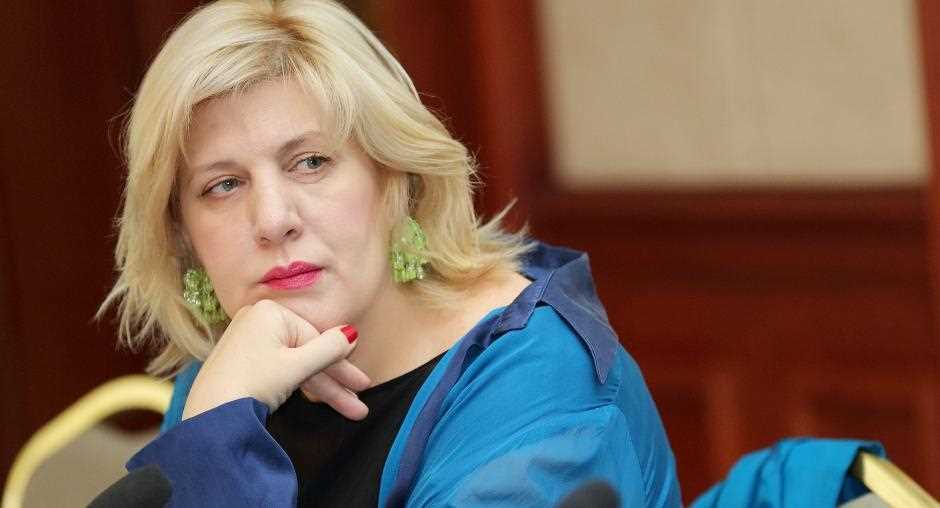
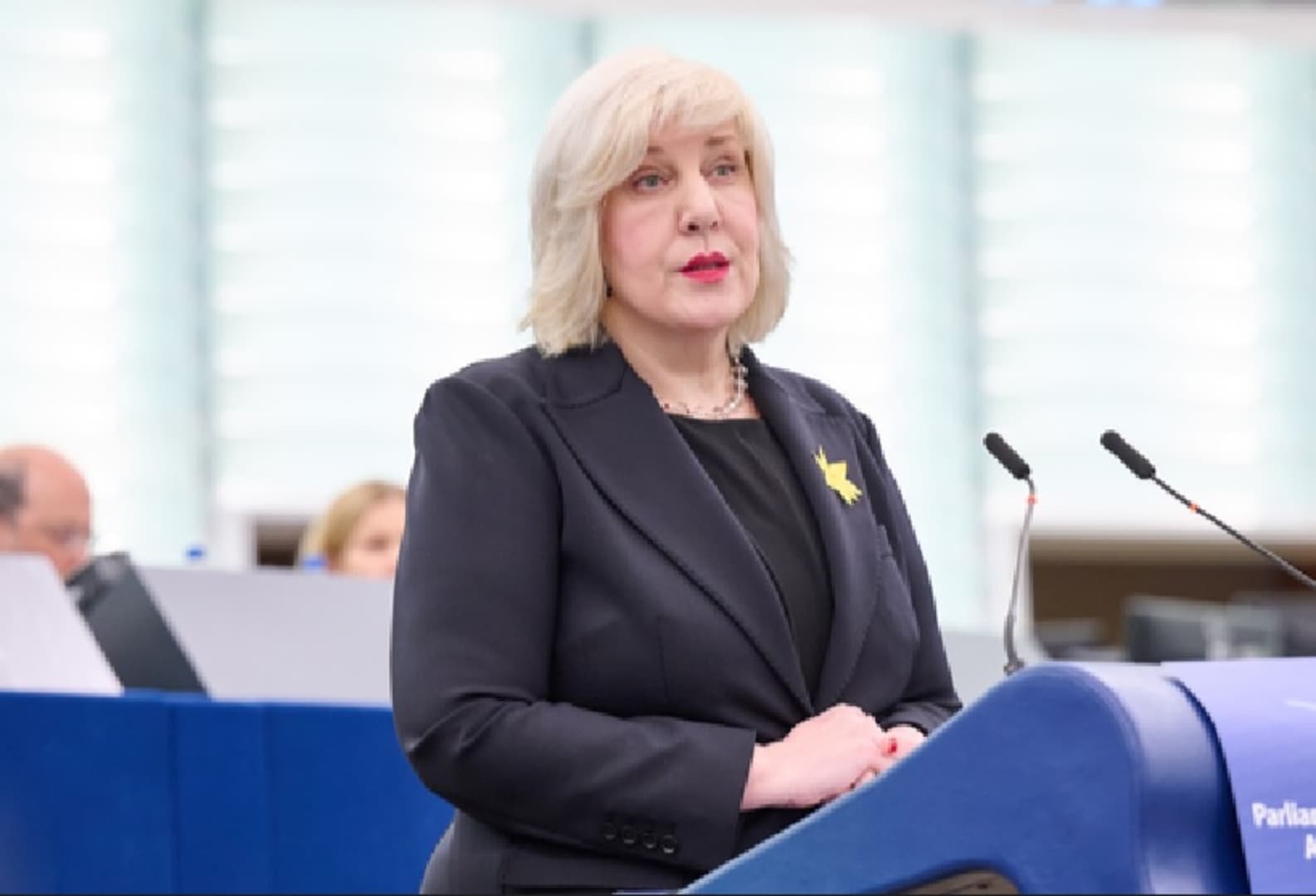
For Dunja Mijatović, the Council of Europe Commissioner for Human Rights, the state of media freedom in Bosnia and Herzegovina and the Western Balkan region is still burdened with systemic problems.
"Nothing new," she says at the beginning of the
conversation with Politicki.ba.
"Even though some good laws exist, it is still a fact that
attacks on journalists are not investigated and the judiciary system is
absolutely not doing its job," she points out.
Mijatović says that "the existence or absence of
reactions from the International Community and local politicians is something
that is problematic, but it is neither a solution nor a way to fight against
the 'atmosphere of impunity' and that attacking a journalist is something that
is allowed and is not a problem in society".
"My experience is that, unfortunately, when something
very tragic and problematic happens, we hear a large number of voices,
including the International Community, but especially domestic politicians, and
promises from the authorities and governments that something will change and
ensure our security and that they will do what is necessary so that journalists
are able to work uninterrupted.
I also know that journalists from BiH are working on the law,
if it has not already been passed, which will treat attacks on journalists as a
criminal offense.
The problem in this entire region is that there is still no room in our society for acceptance and understanding of the fact that journalists are the ones who "open our eyes" in situations when that is important.
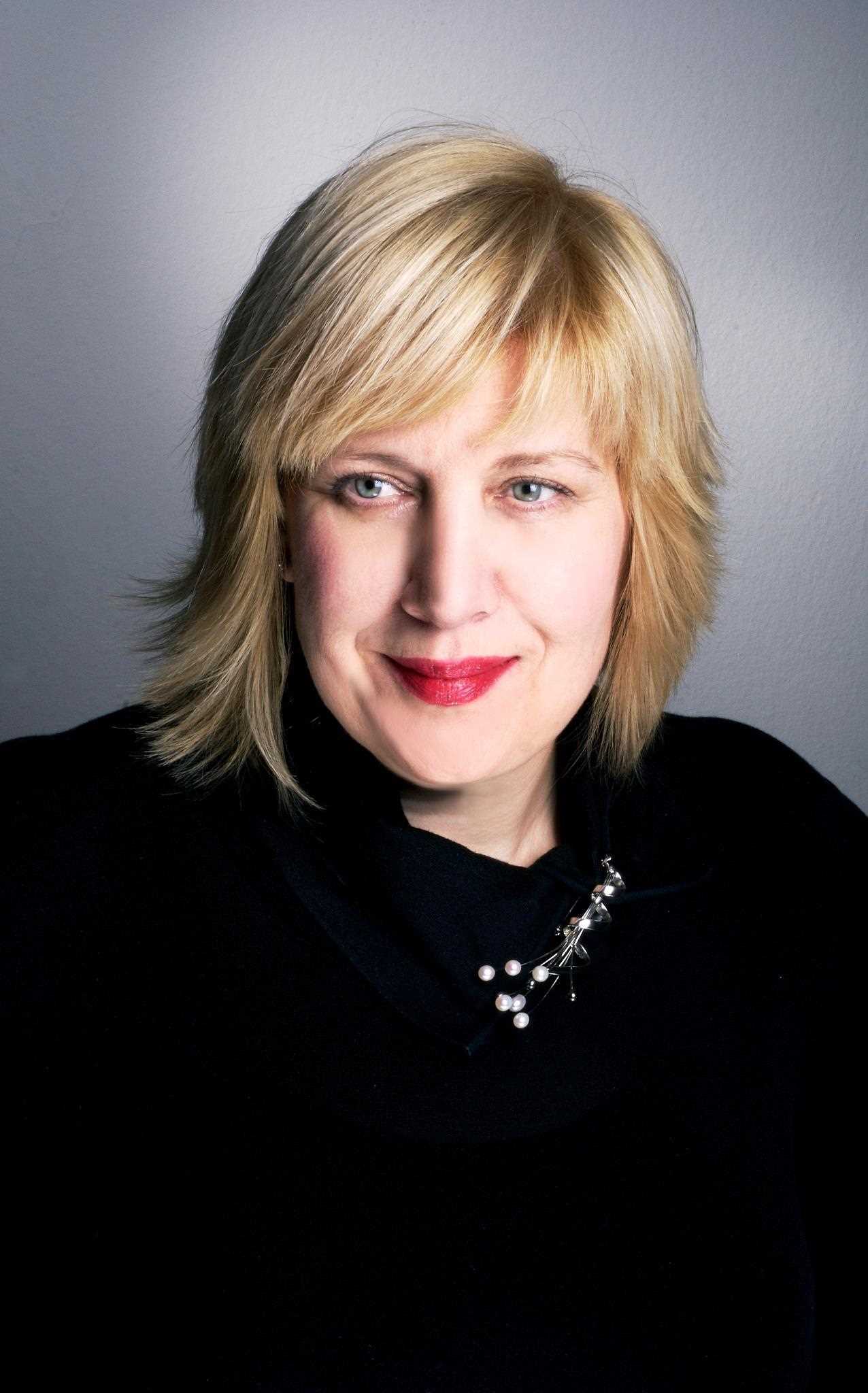 Mijatović also points out that in this context she is
talking specifically about investigative journalists and their work.
Mijatović also points out that in this context she is
talking specifically about investigative journalists and their work.
"We may like or dislike the things that professional
investigative journalists, not the yellow press, do and write. But that is not
a reason or an excuse for attacks on journalists," she said.
Responding to our remark that there were a number of
situations where we witnessed harsh reactions and even threats from the International
Community in BiH, and then nothing happened afterward, she says that "the
problem is much more complex than whether or not someone had reacted and
condemned someone else".
"If there are no real mechanisms that will prevent attacks,
and I mean attacks online too, especially against female journalists on the
premise of their work, but also because they are women, and then also the
attacks on journalists who are openly members of the LGBTQ+ community... this
has been going on for decades and nothing is new, nor are things actually
changing in any meaningful way.
Sometimes it is quite sad that there is not even solidarity
among journalists if the victims of the attacks are from another entity or
state," Mijatović continues.
When asked how it is possible that there is still no solution, even though the problems have been going on for decades, she briefly replies that "there is no political will".

"Journalists tried, and the International Community
tried to change the laws.
I personally spoke with various ministers that are at the
entity and state level, I came with lists of attacks on journalists - from
online insults to threats of rape and death... I was told that the court could
not deal with it because the law did not cover the online space, which is not
correct.
It is clear that there is neither the desire nor the will to
truly do something about it.