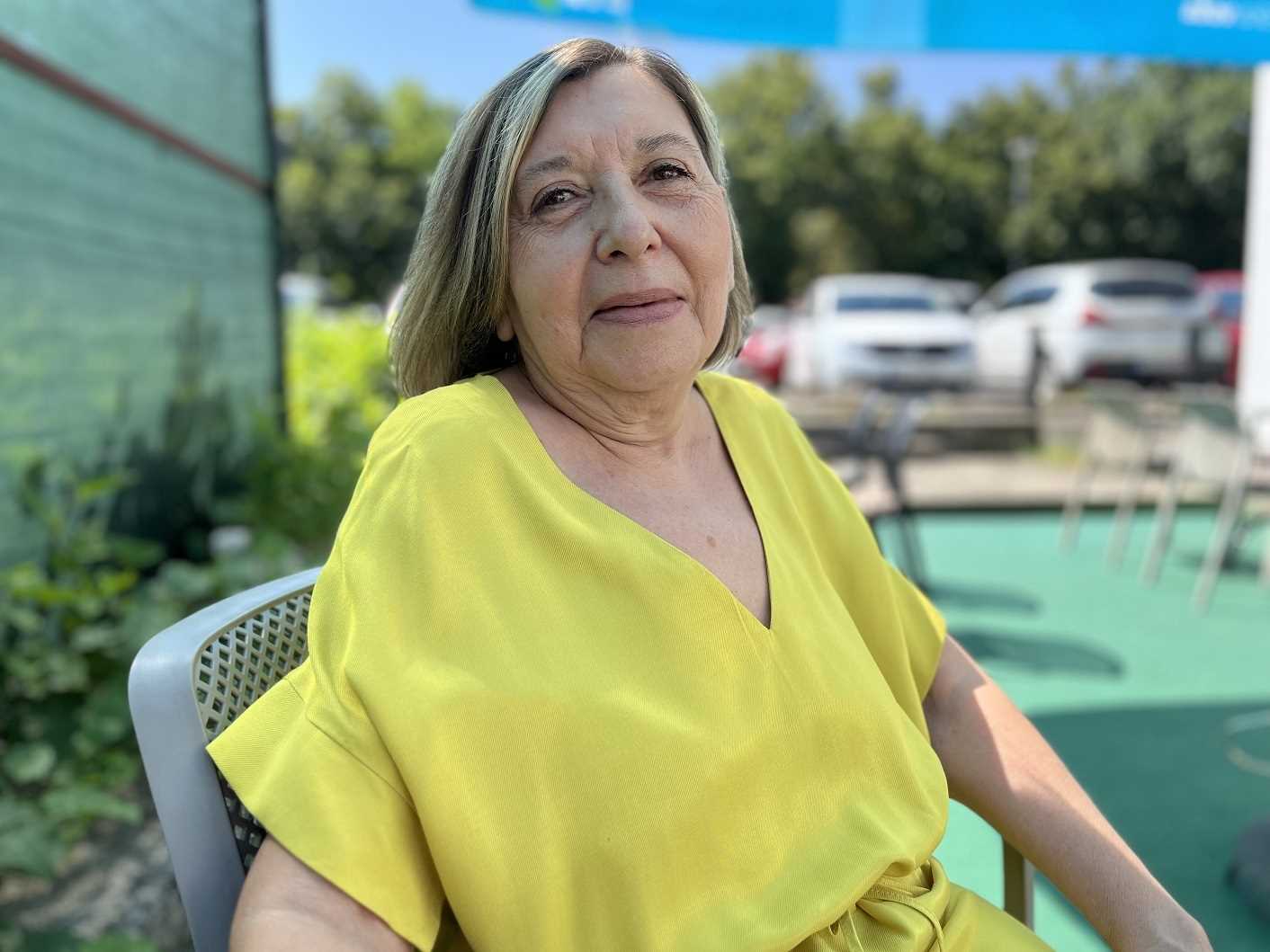
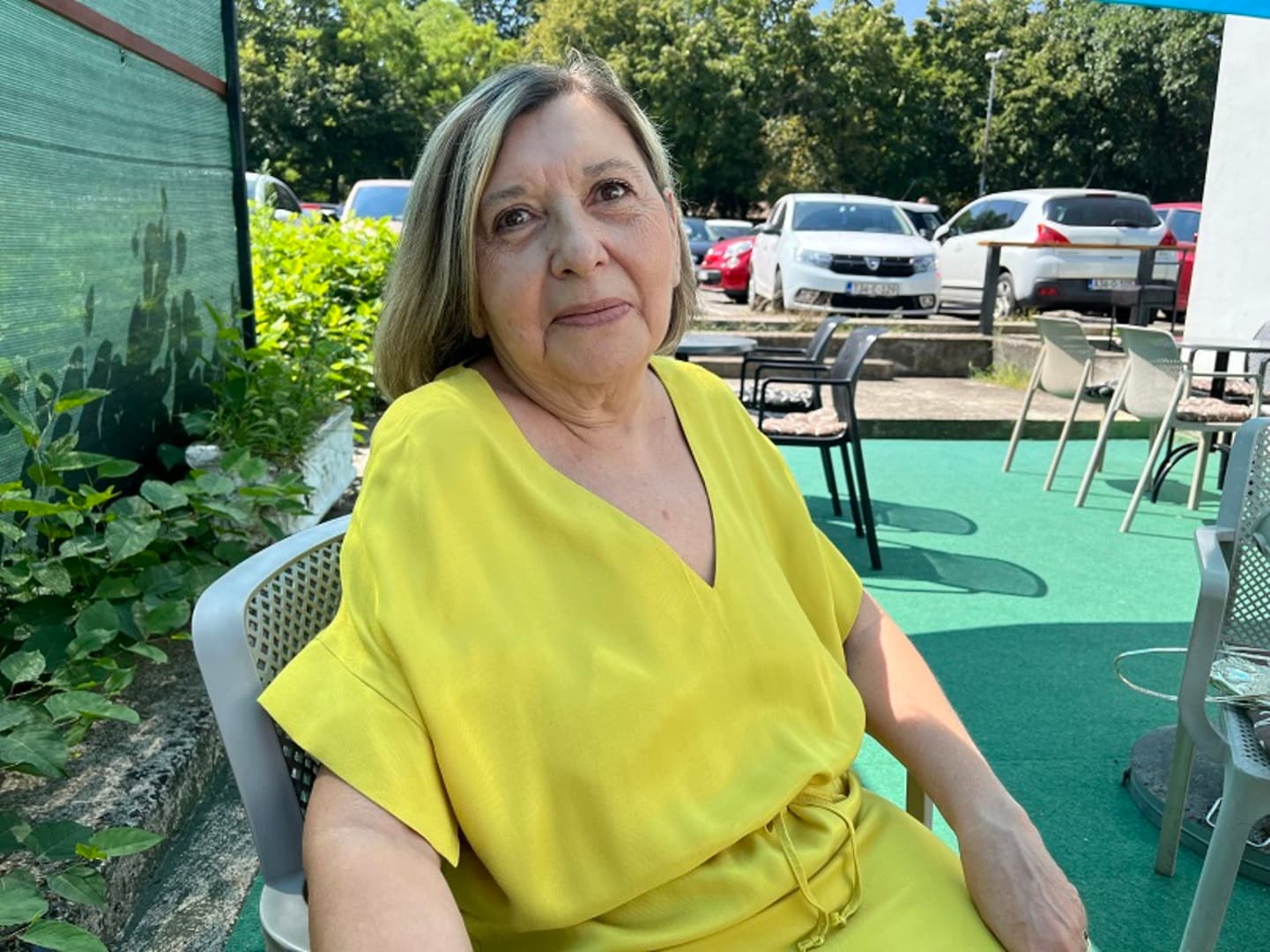
Journalist and activist Gordana Katana has been in
journalism for 28 years, and in her decades-long career, she has worked for
several domestic and international media: Oslobođenje, BHT, BIRN, VOA, RFERL,
IWPR, Anadolu Agency, Reuters. She is currently editing the portal Živi ljudi.
She uncompromisingly fights for the rule of law, and the democracy of society, and
tirelessly warns about the failures of responsible public officeholders. In her
career, she was attacked, labeled, and marked. However, she bravely continues
her journey in journalism.
In an interview with Politicki.ba, Katana says that
politicians in Republika Srpska obstruct the work of journalists in various
ways, but they are not particularly innovative when it comes to putting
pressure on journalists.
"So, we usually witness insults, questioning of their
professional credibility, and in the RS, a special category of national
traitors. Of course, Milorad Dodik, president of the RS and leader of the SNSD,
undoubtedly went the furthest there. But the inability to access information,
the refusal to answer questions is also a hindrance to our work," Katana
begins her interview with Politicki.ba.
The current pressures on journalists are systemic, legal,
and focused on narrowing the space of freedom of speech and freedom of the
media, but Katana has been under pressure from the authorities for almost 30
years. Many politicians changed, but she was a thorn in everyone's side because
of her independent work.
"As I was among the first 2-3 journalists who
immediately after the war started working for the media outside the RS,
specifically Oslobođenje, then Glas Amerika, I can speak freely about the 28
years of continuous pressure, insults, and even threats against me. Starting
from that government led by SDS in 1996/97 supported by radicals and led by
Nikola Poplašen and Ognjen Tadić when I was declared a national traitor, and
then Alija’s or a foreign hireling. The authorities changed, and I remained a
thorn in the side. But realistically, although all the verbal attacks, threats,
and insults had an alleged national connotation, the problem was actually in my
work," Katana told Politicki.ba.
She did big stories and talked about important topics.
"The problem was in opening up issues that were not
talked about: from war crimes, ethnic cleansing, obstruction of return,
discrimination against the non-Serb population. And, I will repeat, these are
topics that none of the Serbian politicians like and do not want to
discuss."
When asked why the authorities in Republika Srpska are so
bothered by free media and independent journalists, Katana says that it is very
simple to explain.
"When we listen to representatives of the government and the media under its control, first and foremost RTRS, then we wonder if we and they live in two parallel realities. Because the government claims that all socio-economic problems have been solved and that the defense of RS from foreign and domestic enemies is the only problem. However, independent, free media day after day points to the gloomy reality in which we live, and they bring evidence of corruption, crime, and nepotism in which the government is steeped. And that's why they should be silenced. So that they don't "make waves" and increase the awareness among lethargic citizens that they are being cheated and stolen from "in the name of the people", answers Katana.
Gordana's video statement you can see HERE.
President of the Republika Srpska entity in Bosnia and
Herzegovina, Milorad Dodik, very openly targets journalists and certain media.
When asked how absurd it is that he even manages to find the time to deal with
the selection of "enemy" media, which he often does, Katana answers: